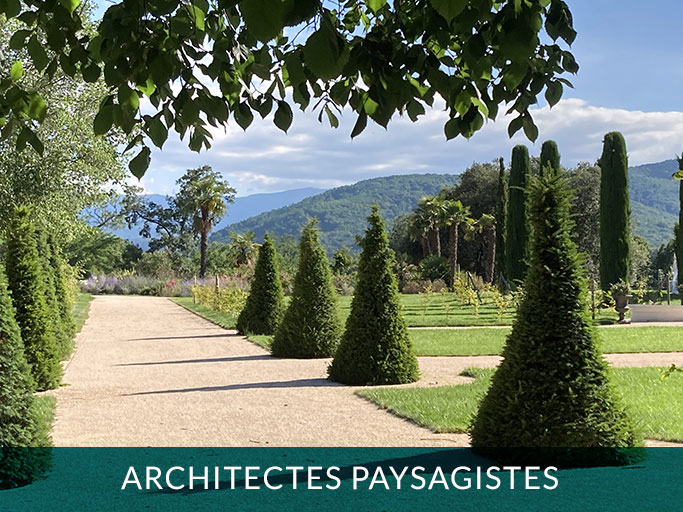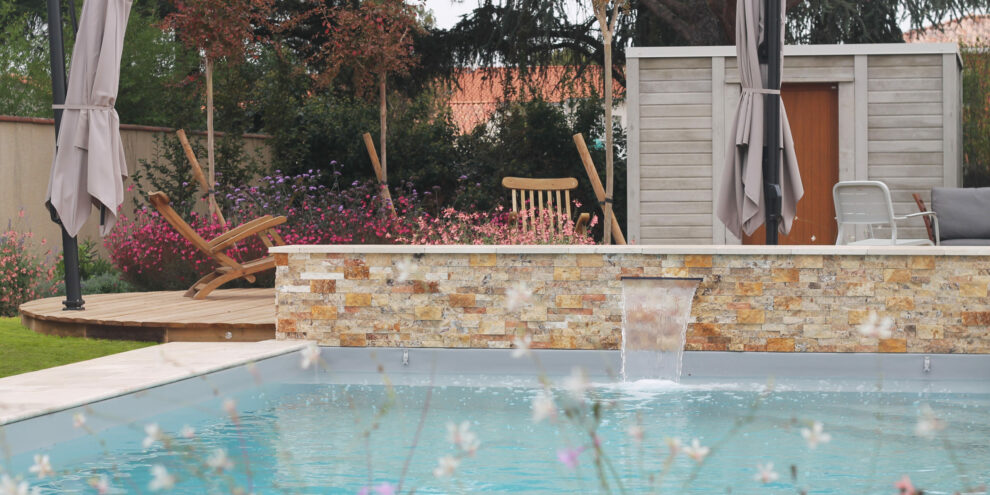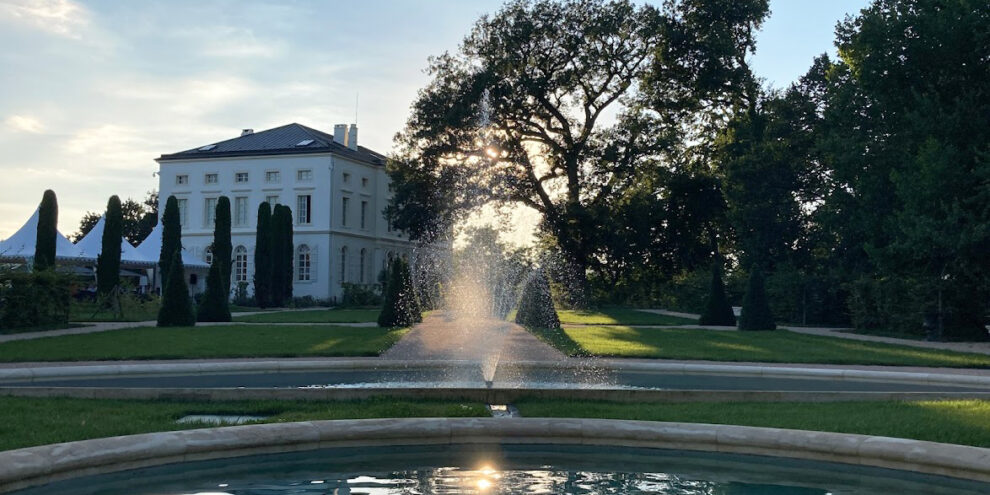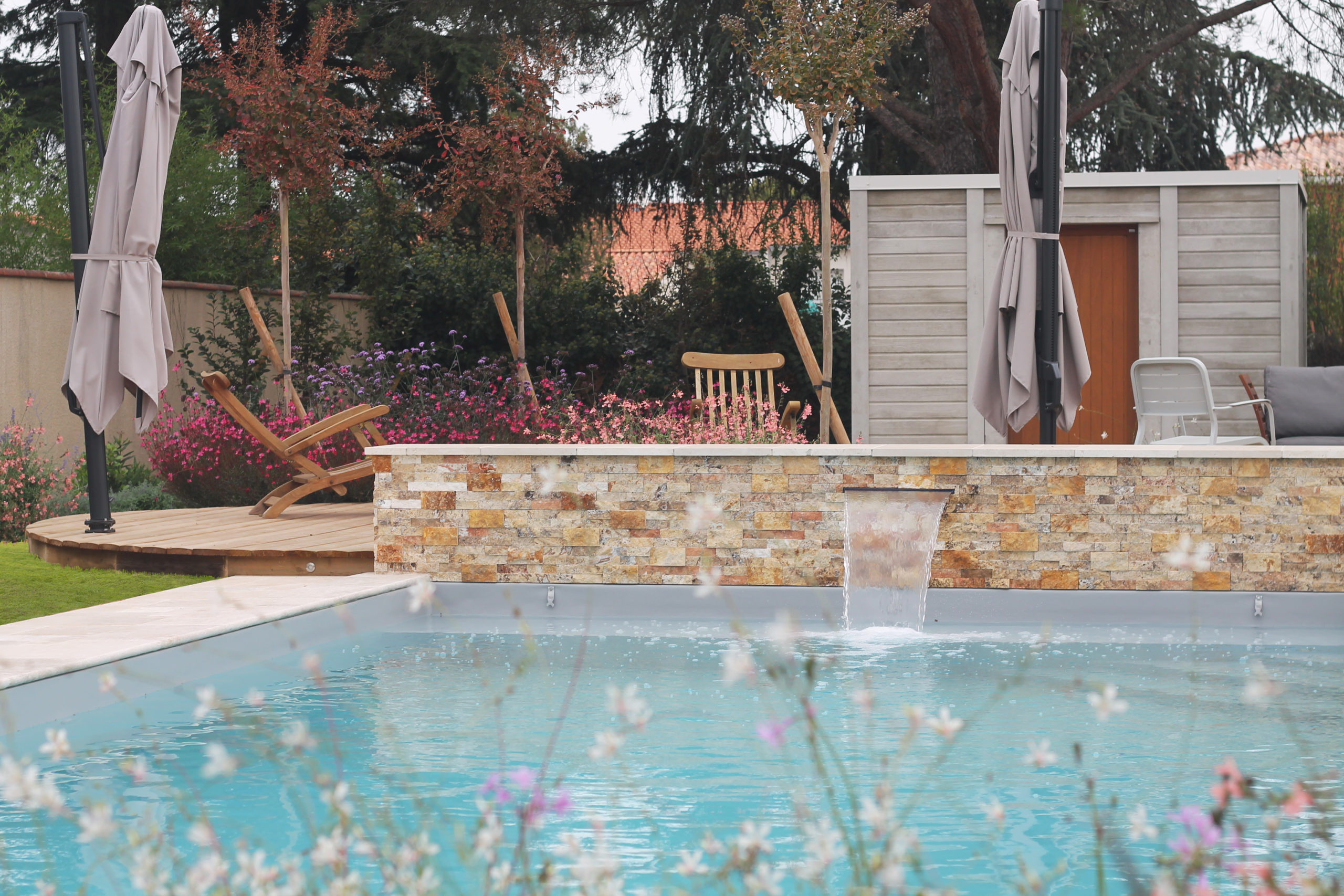

Need some inspiration?
Need some inspiration
I find Pinterest is a fantastic source
have a quick look at some of the images I’ve collected so far
So you really want to reduce the maintenance in your french garden ? part four
Garden maintenance, the war on weeds, call it as you wish it’s never going to go away.
Here are my top tips for gradually changing your tactics so that you can spend less time working on your garden and more time enjoying it.
The follow up to part 3 is to say OK now you have a bed how do I maintain that? The answer is to go back to a good old fashioned mulch. (see article on mulch) I do mean mulch and not the polypropylene film currently in use all over France.
Commonly known over here as “la bâche verte” the plastic weed control fabric is sold as a universal solution to weed control. Please allow me to have a quick rant here. “La bache” is so unbelievably ugly to my mind that its colour alone is enough to banish it from ever being used in private gardens.
In my opinion the success of the “bache” is entirely due to 2 factors. Firstly the general public has seen the film applied to large areas of public landscaping and so seem to believe that it is a professional solution to a problem. I do not agree, it is just a cheap, short term, ugly, polluting, non recyclable product which causes water runoff problems while it prevents some weeds growing for a short while. Municipalities use it because it reduces maintenance costs (costs which have never been an electoral favourite).
It would seem that so many people are still gullable enough to believe that it is a real solution that I guess it sells easily and garden centres are happy to make a quick buck. Even when I write specifications for my clients gardens with real mulch, landscape contractors always seem to want to flog the dreaded ugly “bache”.
Nobody seems to worried about how to remove and recycle it when its useful life is over . Please, please, never use “la bache” in a private garden . It can have its uses in specific contexts in invisible areas but simply in terms of its aesthetics, but who is going to enjoy sitting in a garden surrounded by expanses of green polypropylene?
So you really want to reduce the maintenance in your french garden ? part three
Garden maintenance, the war on weeds, call it as you wish it’s never going to go away.
Here are my top tips for gradually changing your tactics so that you can spend less time working on your garden and more time enjoying it.
Ok so mowing still takes up a large percentage of your maintenance time in the garden. A rationalization strategy is needed. Firstly remove as many obstacles to your mowing as possible. Then identify all the spots in your garden which are difficult to mow or require a strimmer to be tidied up after the mowing. Could any of these areas be planted with low maintenance ground cover plants to avoid them being mowed at all?
Very often if you have bought a “French” garden you will find plants shrubs and trees dotted about on the grass. In this sort of situation each and every “obstacle in the grass extends your mowing work time. I suggest that you go back to the “English” garden concept where plants and shrubs are planted in beds. Beds of shrubs give you a chance to group the plants for better effect and also create a shape of bed with a contour which is “mowable”. By mowable I mean, an edge that your mower can smoothly get around without you having to stop and do complicated manoeuvers.
Just think of this as rationalisation, make your garden more efficient….
So you want to reduce the maintenance of your « french garden » ? part two
So you really want to reduce the maintenance in your french garden ?
Garden maintenance, the war on weeds, call it as you wish it’s never going to go away.
Here are my top tips for gradually changing your tactics so that you can spend less time working on your garden and more time enjoying it.
A very large part of most gardens in the Toulouse area is made up of grass. I will not call it “lawn” because very rarely does that classification apply to gardens with maintenance problems. In theory grass is easy to manage, you just mow it. Fine but what if your mowing time amounts to half your weekend? Ask yourself the question: Does it all have to be mowed to the same standard? How about rethinking and allowing certain areas to grow longer. Most people are now familiar with the modern municipal uses of flowering grass areas or “prairie fleurie” as they say in France. You could allow some areas of the garden to flower then mow them back to short grass level after the plants have set their seeds. The municipalities of France are using this technique to reduce mowing manhours why don’t you? Creating wild flower areas is not difficult there are just a few simple rules to follow and the biodiversity they create is invaluable to insect and animal life. If you would like more info about mowing regimes just send me a message.
So you want to reduce the maintenance of your « french garden » ? part one
So you really want to reduce the maintenance in your french garden ?
Garden maintenance, the war on weeds, call it as you wish it’s never going to go away.
Here are my top tips for gradually changing your tactics so that you can spend less time working on your garden and more time enjoying it.
The war on weeds is permanent. My most successful strategy for winning the war is all about occupying the terrain: here’s my theory: the more space you occupy with plants or mineral materials you do like the less space will be available for the plants you don’t like i.e. weeds. The tactical approach to this one is to use plants in your garden which occupy the surface of the soil. The obvious choices are groundcover plants. I won’t go into a list of groundcover plants because every single garden is different in terms of orientation, exposure, colour scheme etc. Let me just say that shrubs with a single stem/trunk which have a stiff upright habit occupy only a few cm2 at ground surface level, however a plant like a ground cover cotoneaster has dense evergreen spreading horizontal branches at ground level “occupying” the surface and beating all the competition hands down.
PS. Ground cover plants do need some maintenance too of course but they don’t need mowing 10 times a year.
Mulch
I love Mulch
Quick lesson on Mulch:
Mulch is to the plant world what a quilt is for you in your bed.
Let me explain. Mulch is a 10cm thick layer of organic fibrous material like woodchips, compost, cocoa husks, pine bark, BRF etc
This is how mulch works
- Mulch acts as a thermal insulation layer just like a quilt. It enables all the bacterial life which is essential for roots to function at reasonable temperatures and avoids extremes of heat and cold.
- Mulch also acts as a sponge. It regulates the humidity of the soil below and so keeps life comfortable for the soil bacteria by avoiding waterlogging or drought.
- Mulch decomposes to feed the soil. The healthier your soil, the healthier your plants. (which takes me back to the question on the difference between topsoil and subsoil…
Here are a few of the advantages of mulch:
- You can make it yourself so it’s cheap and avoids trips to the dechetterie, just use a garden waste shredder. Otherwise you can buy it, but since it’s a byproduct of tree felling you can usually get hold of some locally. You just need to ask around. It is also available commercially in “big bags” of 2m3 delivered to your garden.
- It contributes organic matter to the soil and so enriches the soil to feed your plants reducing the need for other fertilizers
- It reduces water loss and so reduces water consumption
- It insulates plants in the winter and protects the roots from freezing
- If it forms a layer which is thick enough ( 10cm) it actively prevents the germination of all weed seeds requiring light to grow.
- Its natural texture is light so any weed seed which may germinate on top of the layer if caught quickly enough can be easily and quickly removed with your fingers, as opposed to letting weeds grow in our local Toulouse clay where weeds are really hard to remove as the soil is either baked hard or sticky mud.
- On esthetics: depending on the material chosen the colour can vary widely and the texture too but usually its neutral and naturally discrete in the garden.
- it’s a non-polluting material which should be entirely organic , biodegradable and non-toxic in your garden ecosystem.
Ok now the disadvantages
- It is not a 100% guaranteed solution to prevent weed growth, but anyone who believes that there is a solution either has a concrete garden or is a big fan of Walt Disney.
- It does not last forever; it needs to be topped up every 3 years as it decomposes.
- It can be moved around by animals or children or the wind.
I want to be a landscape architect – The film.
This little film shows just how varied a landscape architects work can be ….
(32) Les Victoires du Paysage
Le saviez-vous ? 1 français sur 2 réclame que soit instaurée l’obligation d’un pourcentage minimum d’espaces verts
dans les projets immobiliers et commerciaux et 2 français sur 5 estiment que leur lieu de travail manque de vert. Or les entreprises privées (dont les promoteurs immobiliers) représentent 27% de la clientèle des professionnels du paysage. (source : Les chiffres clés 2011 du secteur paysage – UNEP)